
From the Blog

English
- English
- 简体中文
- العربيّة
1641 Dublin Avenue
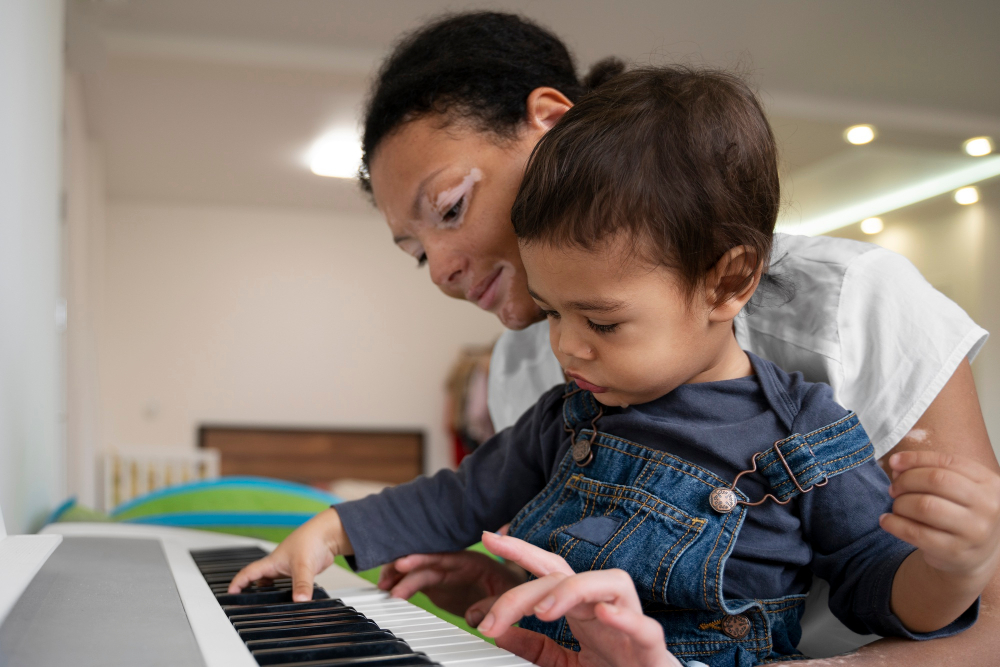


Hi everyone, my name is Katrina, and I’m the Coordinator for Rehabilitation Services.
Our department oversees programs that ensure families and children receive the rehabilitation support they need. We manage a wide range of services, including housing accessibility, therapy coordination, assistive technology, and transition planning for youth.
We also handle referrals, assessments, and documentation to ensure every case follows proper procedures and funding guidelines.
Our department works closely with Case Managers, so whenever a family requires rehabilitation services, the Case Manager contacts our department to arrange a meeting. Together we review the family’s needs and help develop a case plan to ensure proper service delivery. We also prepare monthly reports and schedules, and ensure all documentation follows official procedures.
One of our department’s major responsibilities is home accessibility and safety improvements for children with mobility challenges.
Examples of Modifications
Each modification must meet strict approval criteria, including:
Before any work begins, a written approval must be obtained from the homeowner
or Band Housing representative. All modifications follow proper steps and safety
procedures to ensure suitability for the child.
Medical and Therapy Coordination
We work closely with physicians, therapists and specialists to ensure children receive the care they need. This includes:
We refer children to specialists such as nurses, social workers, dieticians, and psychologists, who visit every few months depending on need.
Dental Assistance and Travel
We coordinate dental travel funding for children and families. Coverage includes mileage, accommodations and meals, and all travel must be approved through Medical Services before appointments.
If a request is denied, the family must obtain a denial letter, which is used to submit an individual request through Jordan’s Principle (JP).
A second escort may be approved for children with mobility or behavioral challenges, based on medical recommendation.
We help provide iPads or laptops for non-verbal children, but only with a recommendation letter from a qualified professional. These devices are strictly for educational and communication purposes, not entertainment.
Workshops and Independent Living Programs
Our department offers workshops and educational programs designed for children with various diagnoses.
Transition Planning for Youth
When youth approach adulthood (age 18), we assist with transition planning to ensure continued support. This includes connecting them with adult service providers, helping with documentation, and ensuring they have a clear path forward into independent living.
We provide Home Health Aides (HHAs) for children who need daily assistance.
These services give parents a break with the daily tasks associated with their child’s needs.
Referrals are typically initiated by parents or rehabilitation assistants.
We partner with organizations such as:
These partnerships help us deliver specialized services and consistent care.
Previously, partners applied for funding through Jordan’s Principle (JP) with Indigenous Services Canada (ISC). Now, each community or reserve manages funding directly for their band members. Organizations now bill Maskosis directly each month for services. Receipts and invoices are required for all transactions to ensure accountability.
If a case shows no activity for three months or appointments are missed:
The Rehabilitation Services Department is dedicated to supporting families and children through:
Our goal is to build a coordinated, compassionate system that helps children live comfortably, safely, and independently — while empowering families every step of the way. Thank you.
 02-09-2025
Jordan Principle is a child-first approach to ensure that all First Nations children in Canada have equal access...
 02-09-2025
Jordan’s Principle ensures that First Nations children receive the health, education, and social services ...
 02-09-2025
Jordan’s Principle: Breaking Barriers in Health is a child-first initiative that ensures First Nations chi...